
The Print
ThePrint
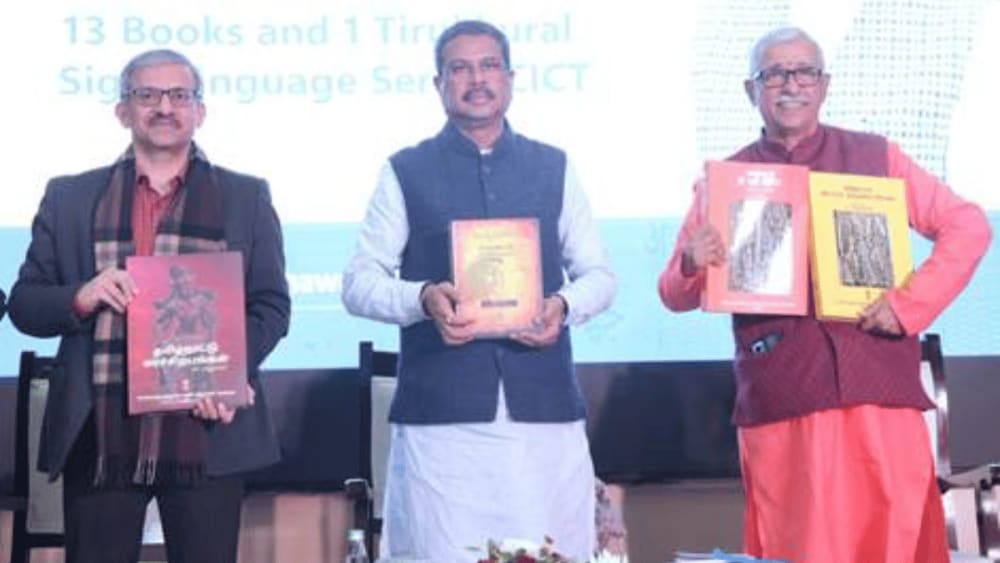
The Modi government has taken a significant step in promoting India's linguistic heritage by releasing 55 literary works developed by classical language centres. Union Education Minister Dharmendra Pradhan unveiled this collection at New Delhi's Kaushal Bhawan, emphasizing that languages are a unifying force and that all Indian languages deserve recognition as national languages.
The publications represent a collaborative effort between multiple institutions, including the Central Institute of Indian Languages (CIIL) and the Central Institute of Classical Tamil (CICT). The collection spans diverse texts - from Sangam-period literature to Telugu epics like Silappathikaram, Malayalam translations, and ancient Odia manuscripts. Notably, 22 works focus on Kannada literature, manuscripts, and cultural studies.
This initiative aligns with the National Education Policy 2020, reflecting a deliberate shift away from colonial-era educational approaches. By placing classical Indian languages at the centre of education and research, the government aims to foster cultural pride while ensuring these rich linguistic traditions remain accessible to future generations of researchers and language enthusiasts.

PM Modi's Thirukkural Gift Puts Tamil on World Stage

Konkani Language Champion N. Purushothama Mallya Dies at 97

arXivLabs Framework Description Contains No Language Focus

Bodhan AI Launches Four Indic Models for OCR, Speech and Translation

Centre Opposes English as Native Language in CBSE Row

Bangladesh Seeks Bengali-Language AI Models for Classrooms